Comprehensive Guide to Shipping Containers & Container Services: Unlocking Value and Efficiency for Your Business
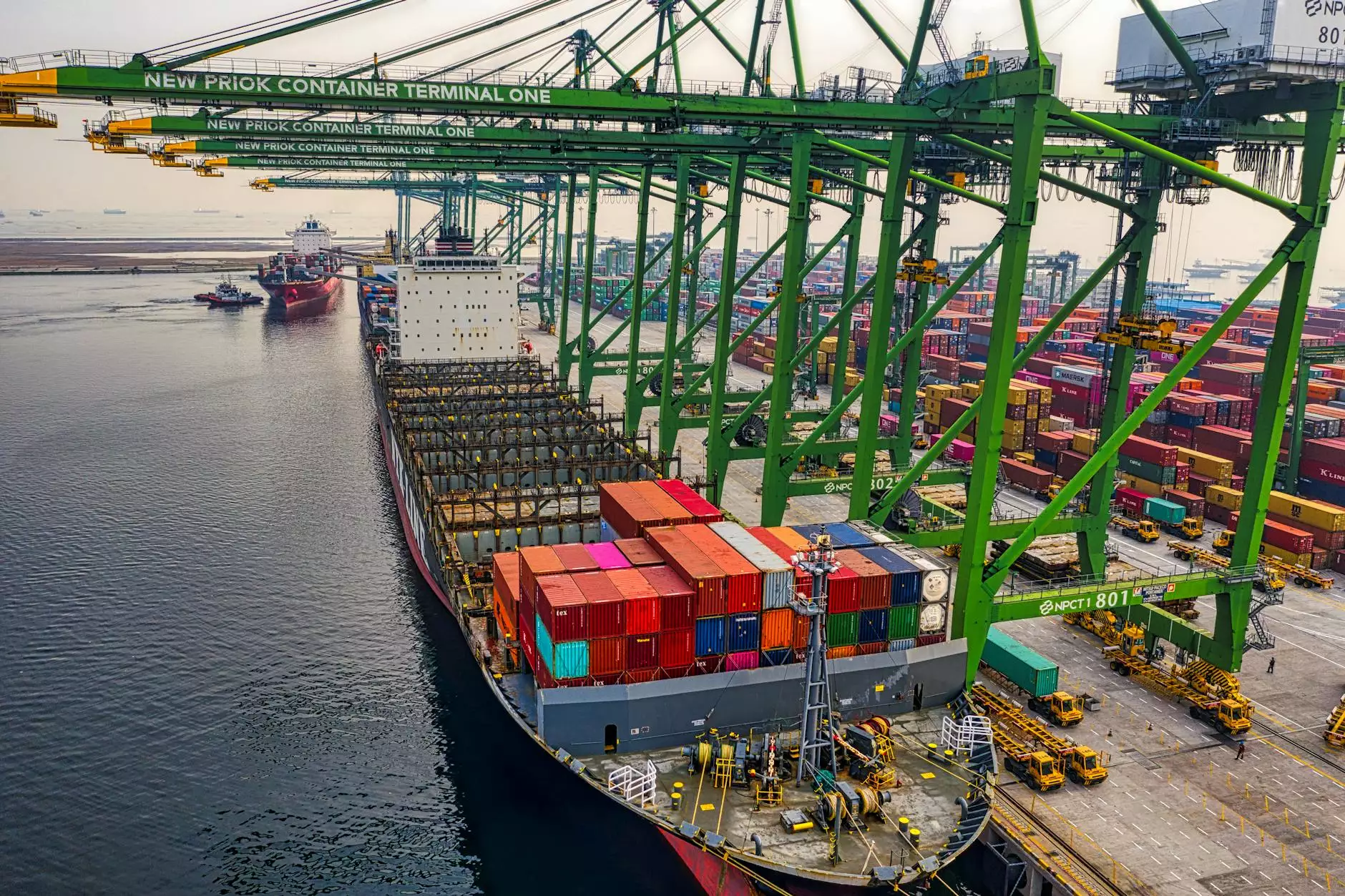
In the dynamic world of global commerce, shipping containers have become integral components of supply chain logistics, providing versatile and cost-effective solutions for a wide array of business needs. Whether you are expanding your inventory, establishing a new warehouse, or seeking reliable container services, understanding the intricacies of shipping containers, their availability, costs, and associated services is crucial. This comprehensive guide aims to demystify these aspects, with special emphasis on the factors influencing the shipping container moving price, helping your business optimize logistics and minimize expenses.
Understanding Shipping Containers: The Backbone of Global Trade
Shipping containers are standardized, reusable steel boxes designed for efficient transportation of goods across sea, land, and air. They facilitate seamless intermodal transportation, allowing cargo to move from ships to trucks, and beyond, without unloading the contents. These containers come in various sizes, primarily 20-foot and 40-foot configurations, with specialized variants for specific needs.
Types of Shipping Containers Available for Sale
- Standard Dry Containers: The most common type, suitable for general cargo including pallets, boxes, and packaged goods.
- High Cube Containers: Slightly taller than standard containers, providing extra volume for light, bulky items.
- Open-Top Containers: Designed for oversized or awkward cargo that cannot be loaded through the door.
- Flat-Rack Containers: Ideal for heavy, large, or irregularly shaped items such as machinery or construction materials.
- Refrigerated Containers (Reefers): For perishable goods requiring temperature control.
- Specialized Containers: Including tank containers for liquids, and open-side or half-height containers for specific cargo needs.
Why Opt for Buying or Renting Containers?
Deciding between purchasing or leasing containers depends on your business scale, frequency of use, and budget considerations. Buying shipping containers offers long-term asset value, while renting or leasing provides flexibility for temporary requirements without large upfront investments. Additionally, many businesses combine both options, owning containers for core operations and renting for seasonal or project-based needs.
Choosing the Right Container Service Provider: What to Consider
To ensure your logistics are smooth, reliable, and cost-efficient, partnering with a reputable container services provider like T-N Container Services is essential. Key factors to evaluate include:
- Experience and Reputation: Proven track record and positive customer testimonials.
- Range of Services: From container sales, rentals to modifications and delivery.
- Pricing Transparency: Clear, competitive pricing with no hidden fees.
- Customer Support: Responsive, expert guidance to help you choose the right solutions.
- Delivery and Logistics Capabilities: Efficient transportation options to your site or port.
Deciphering the Costs: What Influences Shipping Container Moving Price
One of the most critical considerations for businesses is understanding and managing the shipping container moving price. Several factors contribute to this cost, impacting your overall logistics budget. Here’s a detailed breakdown:
1. Distance and Route Complexity
The primary determinant of moving costs is the geographical distance between the pickup and delivery locations. Longer distances naturally incur higher charges. Additionally, complex routes involving multiple transit points, restricted access zones, or difficult terrains can escalate costs.
2. Container Size and Type
Larger containers (e.g., 40-foot high-cubes) generally command higher moving prices due to their size and weight. Specialized containers like open-top or refrigerated units may also involve additional handling fees.
3. Loading and Unloading Requirements
If your business requires assistance with loading, unloading, or securing cargo inside the container, expect extra charges. Efficient handling reduces risks and ensures safety, but costs should be discussed beforehand.
4. Transportation Mode and Equipment
Whether the move is by truck, rail, or ship, each mode has specific costs. Additionally, the type of equipment used—standard flatbed trucks versus specialized hauling equipment—impacts the price.
5. Permits and Regulations
Oversized or heavy loads may require special permits, escort services, or compliance with local regulations, increasing the overall shipping container moving price.
6. Timeline and Scheduling
Urgent or expedited moves are typically more expensive. Planning ahead can help secure better rates and schedule flexibility.
How to Get Accurate Estimates for Shipping Container Moving Price
To obtain precise pricing, contact reputable container service providers like T-N Container Services. Provide detailed information about your cargo, pickup and drop-off locations, container type, and any specific requirements. Ensure transparency and request itemized quotes to compare prices effectively.
Benefits of Choosing Professional Container Services
Partnering with experienced service providers offers numerous advantages:
- Cost Savings: Competitive pricing and optimized logistics reduce overall expenses.
- Safety and Compliance: Experts ensure safety standards and regulatory compliance.
- Time Efficiency: Reliable scheduling minimizes delays and business disruptions.
- Versatility: Access to a broad range of container types and customized solutions.
- End-to-End Support: From consultation to delivery, comprehensive assistance simplifies your operations.
Maximizing Value from Containers and Services for Your Business Growth
Efficient management of your container needs directly correlates with operational success. Here are pro tips to maximize value:
- Plan Ahead: Early planning allows better scheduling and cost negotiations.
- Opt for Durable Containers: Investing in quality containers minimizes maintenance and replacement costs.
- Leverage Container Modifications: Custom modifications, such as shelving or insulation, can tailor containers to your specific needs.
- Maintain Proper Documentation: Clear paperwork streamlines customs and regulatory processes, avoiding fines or delays.
- Build Long-Term Relationships: Partnering with trusted providers like T-N Container Services fosters loyalty and better rates.
Innovations in Container Technology and Market Trends
The container industry continues to evolve, integrating innovative technologies such as IoT, GPS tracking, and smart sensors. These advancements enhance traceability, security, and operational efficiency, ultimately impacting shipping container moving prices and service quality.
Additionally, market trends show increasing demand for environmentally friendly containers, sustainable logistics solutions, and flexible leasing options, all of which could influence future costs.
Conclusion: Making Informed Decisions for Your Business Success
In the complex landscape of shipping and logistics, understanding shipping container for sale, the variety of containers services, and the factors affecting the shipping container moving price empowers your business to make strategic, cost-effective decisions. Partnering with experienced providers like T-N Container Services ensures access to quality containers, expert handling, and competitive rates.
Remember, meticulous planning and choosing the right service partner are key to optimizing your supply chain, reducing costs, and gaining a competitive edge in your industry.