The Art and Science of Architectural Model Making
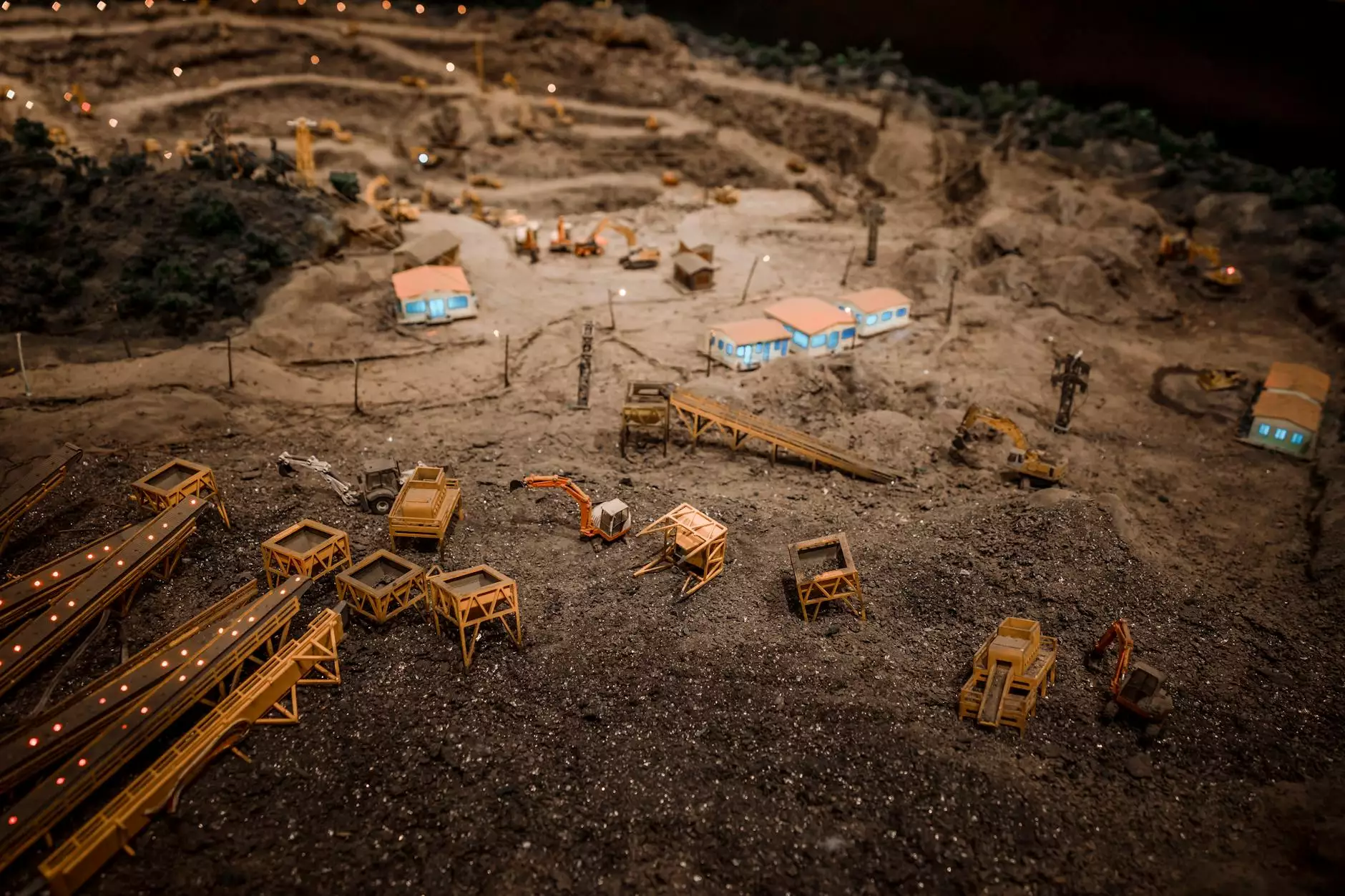
In the world of architecture, the translation of brilliant ideas into tangible structures is a complex journey that begins with meticulous planning and design. At the heart of this process lies architectural model making, a critical practice that not only aids in visualization but also serves as a vital communication tool between architects, clients, and stakeholders. Understanding the significance and intricacies of this craft is essential for anyone involved in the architectural field.
What is Architectural Model Making?
Architectural model making refers to the creation of physical representations of architectural designs. These models can vary greatly in scale and detail, ranging from small conceptual models to large, highly detailed representations that showcase every aspect of a proposed building or environment. The skill of model making blends artistry with technical proficiency, allowing architects to explore various design elements and make informed decisions before construction begins.
The Importance of Architectural Models
Why is architectural model making so crucial in the architectural profession? The answer lies in several key aspects:
- Visualization: Models provide a three-dimensional perspective that drawings or digital renderings cannot convey effectively. They allow all stakeholders to visualize the design in a realistic context.
- Communication: A physical model serves as a focal point during presentations and discussions. It facilitates better communication of ideas and concepts to clients and teams.
- Design Evaluation: By creating a model, architects can assess spatial relationships, scale, and proportion. This helps identify potential design flaws early in the process.
- Material Exploration: Models allow architects to experiment with different materials and textures, aiding in the decision-making process regarding finishes and structural elements.
- Marketing Tool: High-quality architectural models can serve as stunning visual aids to attract potential clients and investors, showcasing the project’s potential effectively.
The Process of Architectural Model Making
The journey of creating an architectural model involves several essential steps. Each phase is vital to the success of the final product:
1. Conceptualization
Before any physical work begins, the idea must be crystallized. Architects and designers brainstorm concepts, often creating sketches and digital models to formalize their vision. This phase involves understanding the project's goals, site, context, and desired outcomes.
2. Material Selection
Choosing the right materials is crucial for the model's effectiveness. Common materials used in architectural model making include:
- Balsa Wood: Lightweight and easy to work with, ideal for detailed models.
- Cardboard: Affordable and accessible, suitable for quick prototypes.
- Acrylic Sheets: Great for creating transparent elements, allowing for effective light modeling.
- Foam Board: Provides a sturdy base for models, easy to cut and layer.
3. Scaling the Model
Deciding on a scale is critical because it affects the model's applicability and visualization. Architects commonly use scales such as 1:50, 1:100, or even 1:10 for detailed aspects. Defining the scale helps maintain accuracy in representation and proportion.
4. Construction
The construction phase can be divided into stages, including:
- Base Creation: The model's foundation must be stable and accurately reflect the site.
- Structural Elements: Walls, floors, and roofs are carefully crafted to represent the actual design.
- Detailing: Adding windows, doors, and other architectural features enhances realism.
- Landscaping: For larger models, incorporating environmental elements like trees, pathways, and water features completes the scene.
5. Finishing Touches
After assembly, the model requires finishing touches. This may include painting, applying textures, and adding lighting. The goal is to create a polished model that accurately represents the envisioned design.
Technological Advancements in Architectural Model Making
In recent years, technology has transformed the field of architectural model making. Digital tools and techniques have become integral to the process:
- 3D Printing: This innovative method allows for precise and intricate designs that would be difficult to achieve manually. Architects can print complex geometries and assemble them into physical models.
- Computer-Aided Design (CAD): CAD software plays a vital role in the design phase. Models can be created digitally before translating them into physical representations.
- Laser Cutting: This technique enables high precision in cutting materials, ensuring clean and accurate parts for models.
- Virtual Reality (VR): While not traditional model making, VR can enhance the experience by allowing stakeholders to immerse themselves in a digitally rendered environment of the design.
Case Studies: Successful Architectural Model Making
To illustrate the impact of architectural model making, let's explore a few notable case studies:
1. The Sydney Opera House
The iconic Sydney Opera House was brought to life through meticulous model making. The physical models helped architects explore the building's unique sail-like structures and navigate the challenges posed by its waterfront location. These models were crucial for visualizing the interplay of light and shadow across its surfaces.
2. The Guggenheim Museum Bilbao
Frank Gehry’s Guggenheim Museum in Bilbao, Spain, is an example of how model making influences innovative design. The use of both physical and digital models allowed architects to analyze complex curves and forms while understanding the museum's integration into its urban context.
The Future of Architectural Model Making
The future holds exciting possibilities for architectural model making. As technology continues to evolve, so too will the techniques and materials used in the industry. Some anticipated trends include:
- Sustainability: An increased focus on sustainable materials and practices will shape how models are constructed and presented.
- Interactive Models: The integration of technology may lead to more interactive models, allowing users to engage with the design on a deeper level.
- Augmented Reality (AR): AR can bring models to life by overlaying digital information and visualizations onto physical models, enriching the viewing experience.
Conclusion
In conclusion, architectural model making remains a vital element in the architectural design process, serving multiple functions from visualization to communication. As we navigate the complexities of modern design, embracing innovative techniques and materials will be essential for architects looking to convey their ideas effectively. At architectural-model.com, we are committed to leading the industry in producing high-quality models that push the boundaries of creativity and functionality.
Whether you are an architect seeking to enhance your design process or a client looking to visualize a project, understanding the art and science behind architectural model making is crucial for achieving remarkable results in any architectural endeavor.