Innovative Leisure VR Business Ideas for 2023
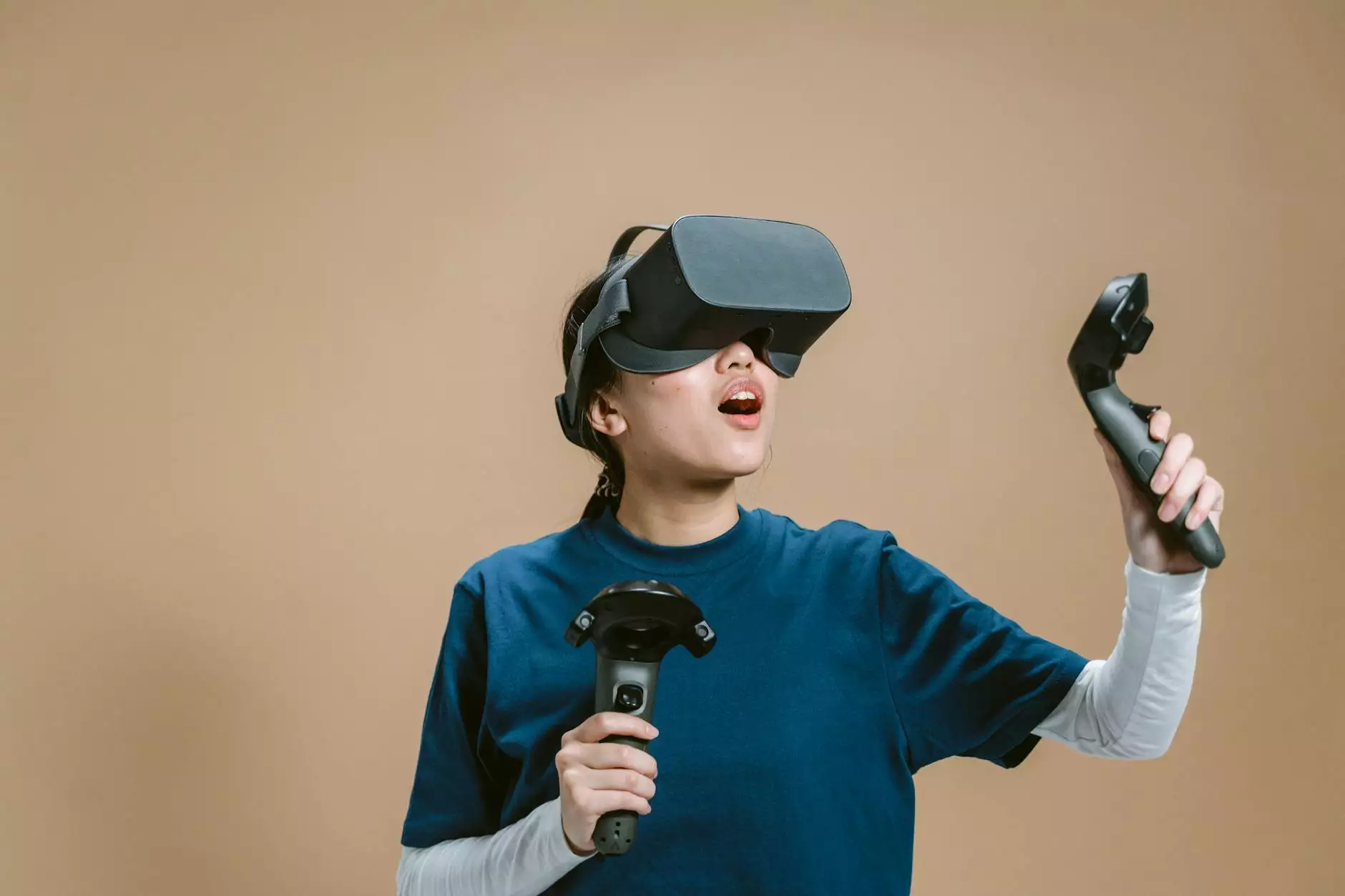
In recent years, the rise of virtual reality (VR) technology has revolutionized various industries, offering innovative ways to engage with customers and provide unique experiences. The leisure VR business ideas are particularly captivating, as they allow entrepreneurs to tap into the entertainment and education sectors simultaneously. In this article, we will explore various high-potential leisure VR business concepts that could help you establish a thriving enterprise.
The Growing Market for VR
According to recent studies, the global VR market is expected to reach $57.55 billion by 2027, driven by advancements in technology and a surging demand for immersive experiences. As more individuals seek entertainment and learning opportunities, the need for leisure VR ventures grows. The versatility of VR makes it a prime candidate for diverse applications, from gaming to education and everything in between.
1. VR Arcade: A New Era of Gaming
One of the most popular leisure VR business ideas is to open a VR arcade. A VR arcade enables customers to indulge in a wide array of virtual reality games and experiences. Unlike traditional gaming, a VR arcade provides immersive gameplay that captivates users by allowing them to interact within a 3D environment.
Key Features:
- Diverse Game Library: Offer a variety of games, from action-packed adventures to puzzle-solving experiences.
- Multiplayer Experiences: Enable friends and families to play together in the same physical space.
- Competitive Events: Host tournaments to attract gamers and foster a community around your arcade.
To establish a successful VR arcade, consider investing in high-quality equipment, such as VR headsets and motion tracking systems, to enhance user experience. Additionally, providing food and beverages can create a more inviting atmosphere.
2. VR-Based Educational Programs
The integration of VR in education is gaining traction as educators realize its potential to engage students in ways that traditional methods cannot. Launching a VR-based educational program or platform can significantly enhance learning through immersive simulations.
Benefits of VR in Education:
- Enhanced Engagement: Students are more likely to participate actively when learning through immersive experiences.
- Real-World Applications: Virtual simulations can provide students with practical skills and knowledge in a controlled environment.
- Accessibility: VR allows students from various backgrounds and locations to experience educational resources at their fingertips.
Consider collaborating with educational institutions to design curriculum-aligned VR content that enhances their programs. Rotstudio.com can help in developing tailored solutions to meet specific educational needs.
3. Virtual Reality Fitness Centers
As health and wellness continue to be a priority for many individuals, integrating VR into fitness programs is another promising leisure VR business idea. A VR fitness center can create an engaging environment for workouts, making exercise fun and exciting.
Popular VR Fitness Trends:
- Interactive Workouts: Offer VR games that require physical activity, such as rhythm games or adventure challenges.
- Group Fitness Classes: Create virtual fitness classes where users can participate together from different locations.
- Personal Training: Utilize VR to provide personal training sessions with virtual trainers guiding users through workouts.
This business not only promotes physical health but also appeals to tech-savvy consumers looking for novel fitness experiences. Integration with wearable fitness technology can further enhance the user experience.
4. Virtual Reality Travel Experiences
For those unable to travel physically due to various constraints, a virtual reality travel agency could provide immersive global experiences. By offering VR tours of popular destinations, users can explore the world from the comfort of their homes.
Components of a Successful VR Travel Agency:
- Destination Variety: Curate a catalog of destinations that showcases culture, landscapes, and history.
- Live Tours: Partner with local guides to offer live VR tours, allowing users to interact and ask questions in real-time.
- Customizable Packages: Provide tailor-made travel experiences that users can enjoy based on their preferences and interests.
This business model can captivate wanderlust-driven customers and help generate revenue through subscription services or one-time purchases.
5. Corporate Training and Team Building
Organizations are increasingly adopting VR technology for corporate training and team-building exercises. A VR business focused on developing training modules for enterprises can offer immersive experiences that enhance skill development and workplace collaboration.
Training Advantages:
- Cost-Effective Simulations: VR allows for training in realistic scenarios without the associated costs and risks.
- Effective Learning Retention: Participants are more likely to retain information learned through engaging simulations.
- Remote Accessibility: Enable employees to access training from anywhere, making it suitable for remote work forces.
Consider partnering with businesses to create bespoke content tailored to specific industry needs and challenges.
6. VR Therapy and Wellness
Virtual reality is also making waves in the wellness and mental health industries. Creating a VR therapy center can offer environments that help individuals relax, manage anxiety, and improve emotional well-being.
Therapeutic Applications:
- Anxiety Relief: Use calming VR environments to help individuals manage anxiety.
- Exposure Therapy: Create controlled environments for individuals facing phobias or PTSD.
- Mindfulness and Meditation: Offer guided mindfulness sessions in serene virtual landscapes.
By collaborating with licensed therapists, you can develop programs that are both effective and ethical, catering to the growing demand for mental health services.
7. VR Museum and Art Exhibits
Combining cultural education with modern technology is another innovative venture in the leisure VR space. Developing a virtual museum or art exhibit can provide access to cultural artifacts and art pieces that would be difficult to experience in person.
Features of VR Museums:
- Virtual Tours: Allow users to explore historic sites and museums in a fully immersive 3D space.
- Interactive Exhibits: Enable users to engage with exhibits by clicking on artifacts to learn more about them.
- Collaborative Projects: Work with schools and educational institutions to create educational content that complements the curriculum.
This concept not only preserves culture but makes it accessible to a broader audience, transcending geographical barriers.
Conclusion
As we venture further into the digital age, the possibilities for leisure VR business ideas remain limitless. Each of the concepts discussed presents unique avenues for entrepreneurs to explore exciting opportunities. Whether you’re interested in gaming, education, fitness, or wellness, VR technology offers innovative solutions that can appeal to a wide range of consumers.
For those looking to enter the VR market, it’s critical to stay informed about the latest trends and advancements in technology. By combining creativity with effective business strategies, you can create a successful venture that not only thrives but also contributes to the growing landscape of virtual reality.
For further insights and comprehensive resources, visit Rotstudio.com and discover how we can support your business journey in the realm of virtual reality.