Understanding the Landscape of Wood Manufacture

The arena of wood manufacture is a rich tapestry woven from centuries of tradition, innovation, and sustainability. As the world becomes increasingly conscious of environmental concerns, the wood industry is evolving rapidly. In this detailed guide, we aim to delve into the complexities of wood manufacturing, the roles of timber merchants, and wood suppliers, and the importance of sustainable practices.
The Importance of Wood Manufacture in Today’s Economy
Wood has been a fundamental material for humankind since time immemorial. From building shelters to crafting furniture, the applications of wood are virtually limitless. Today, the wood manufacture industry not only supports a robust economy but also plays a crucial role in sustainable development.
- Boosting Local Economies: Timber businesses often provide jobs in local communities, from forestry to manufacturing.
- Sustainable Sourcing: Many wood suppliers are committed to sustainable harvesting practices, ensuring that wood products are sourced responsibly.
- Innovation in Products: The industry continues to innovate, offering new products that meet modern aesthetic and functional demands.
The Processes of Wood Manufacture
The process of wood manufacture encompasses several stages, including sourcing, milling, and finishing. Each stage is critical in producing high-quality wooden products.
Sourcing Quality Timber
Timber merchants source wood from various locations, ensuring that they procure only high-quality timber. The sourcing process involves:
- Assessing tree species and their environmental impact.
- Harvesting practices that adhere to sustainable guidelines.
- Establishing relationships with forest owners to support responsible forestry.
Milling the Wood
Once the timber is sourced, it is processed in a mill. Milling is the process of converting raw logs into usable lumber. This involves:
- Sawing: Logs are cut into planks using various methods such as band saws and circular saws.
- Drying: The cut lumber is then dried to reduce moisture content, which is crucial for preventing warping and cracking.
- Grading: Dried lumber is graded based on its quality, determining its appropriate use.
Finishing Touches
The final stage in wood manufacture involves applying finishes that enhance the wood's appearance and protect it from damage. Finishing techniques include:
- Staining: Enhances the color of the wood while revealing its natural grain.
- Sealing: Protects the wood from moisture and pests.
- Varnishing: Provides a durable, glossy finish to the wood.
Sustainable Practices in Wood Manufacture
With an increasing global focus on sustainability, the wood manufacture industry is pivoting towards eco-friendly practices. This includes:
- Reforestation Initiatives: Many companies now participate in projects aiming to replenish forests.
- Utilizing Certified Wood: Sourcing wood from certified sustainable forests, like those certified by the Forest Stewardship Council (FSC).
- Innovative Waste Management: Wood waste is being repurposed into products such as pellets for heating or even biofuels.
The Role of Timber Merchants and Wood Suppliers
Timber merchants and wood suppliers serve as critical links in the supply chain between raw materials and end consumers. Their roles include:
- Market Access: Providing customers access to a variety of wood products, often sourced from different regions.
- Expert Guidance: Offering advice on the best types of wood for specific projects, considering factors such as durability, cost, and aesthetics.
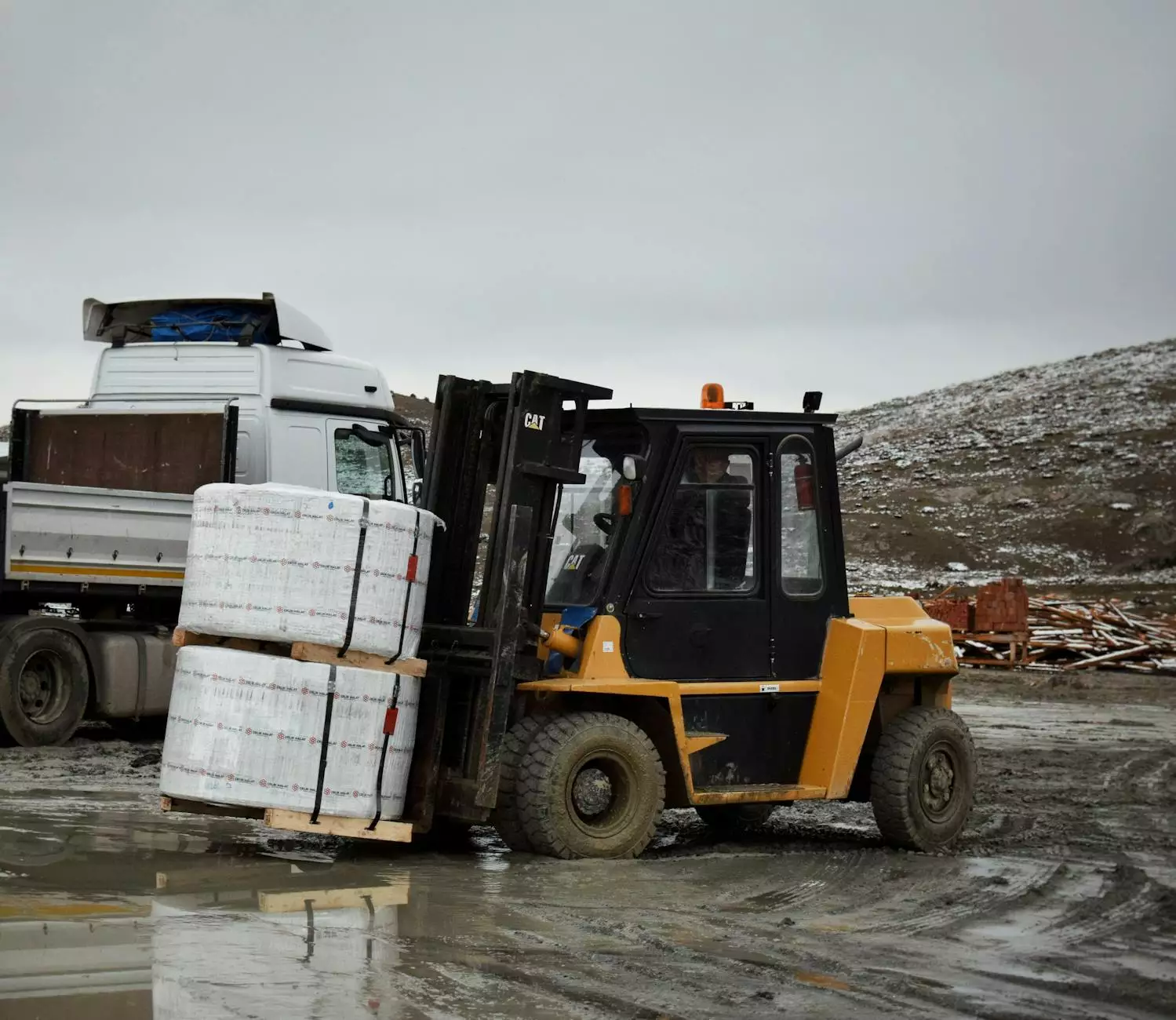
- Distribution Logistics: Managing the logistics of transporting wood products from manufacturers to consumers efficiently.
Challenges Facing the Wood Manufacture Industry
Like any other industry, wood manufacture faces numerous challenges. Addressing these issues is crucial for sustainable growth:
- Environmental Regulations: Stricter laws on logging and transportation can create hurdles for timber merchants.
- Market Competition: The rise of alternative materials such as composites can threaten traditional wood markets.
- Climate Change: Changing weather patterns affect the health of forests and wood yield.
The Future of Wood Manufacture
The future of the wood manufacture industry appears promising with the integration of technology and sustainable practices. Innovations such as:
- Smart Manufacturing: Automation and robotics are streamlining production processes, reducing waste, and increasing efficiency.
- Sustainable Innovations: New treatment processes enhance the durability of wood while minimizing environmental impact.
- Digital Platforms: E-commerce is becoming increasingly important, allowing timber merchants and wood suppliers to reach global customers.
Conclusion
The world of wood manufacture is complex yet fascinating. With a focus on sustainability, technological advances, and innovation, the industry is poised for a bright future. Timber merchants and wood suppliers play an essential role in this dynamic ecosystem, bridging the gap between responsibly sourced timber and consumers’ needs. The commitment to sustainable practices is not just a trend; it is the future of wood manufacturing, ensuring that generations to come can enjoy the beauty and utility of wood.
Discover More with Timber Trust Traders
If you are looking for quality timber and expert guidance in wood manufacture, look no further than Timber Trust Traders. As leading timber merchants and wood suppliers, we are dedicated to providing you with the best wooden products sourced sustainably and responsibly.