Understanding the Parts of a Braking System: Ensuring Safety on the Road
The importance of a properly functioning braking system cannot be overstated in the world of automotive engineering. Brakes are crucial for vehicle safety, providing the necessary means to slow down or stop a vehicle, thus preventing accidents. This article delves deep into the parts of a braking system, detailing their functions, maintenance, and the essential role they play in vehicle safety. Our goal is to provide an exhaustive resource that not only informs but empowers vehicle owners and enthusiasts alike.
1. Overview of the Braking System
The braking system of a vehicle is a complex assembly of components designed to convert kinetic energy into thermal energy, allowing for controlled deceleration. Understanding each element within this system is vital for both mechanics and vehicle owners. The primary types of braking systems include disc brakes and drum brakes, each consisting of numerous parts that work in harmony.
1.1 Types of Braking Systems
- Disc Brakes: Known for their superior performance, disc brakes utilize a flat disc that rotates with the wheel. When the brake pedal is pressed, brake pads clamp down on the disc, creating friction and slowing the vehicle.
- Drum Brakes: These consist of a hollow drum that rotates with the wheel. Brake shoes inside the drum press against its inner surface to create the necessary friction for stopping.
2. Key Components of a Braking System
2.1 Brake Pads
The brake pads are one of the most crucial components in the parts of a braking system. Typically made from a friction material, these pads are placed on either side of the brake disc (in disc brakes). When the brake pedal is pressed, they clamp down onto the disc, generating the friction needed to stop the vehicle. Regular inspection and replacement of brake pads are essential for maintaining braking efficiency and safety.
2.2 Brake Rotors
Brake rotors, also known as discs, are another vital part of the braking system in vehicles equipped with disc brakes. The brake pads grip the rotors to stop the vehicle. Over time, rotors can wear down or become warped, leading to uneven wear on brake pads and decreased braking performance. Regular checks can help to ensure they are in optimal condition.
2.3 Brake Calipers
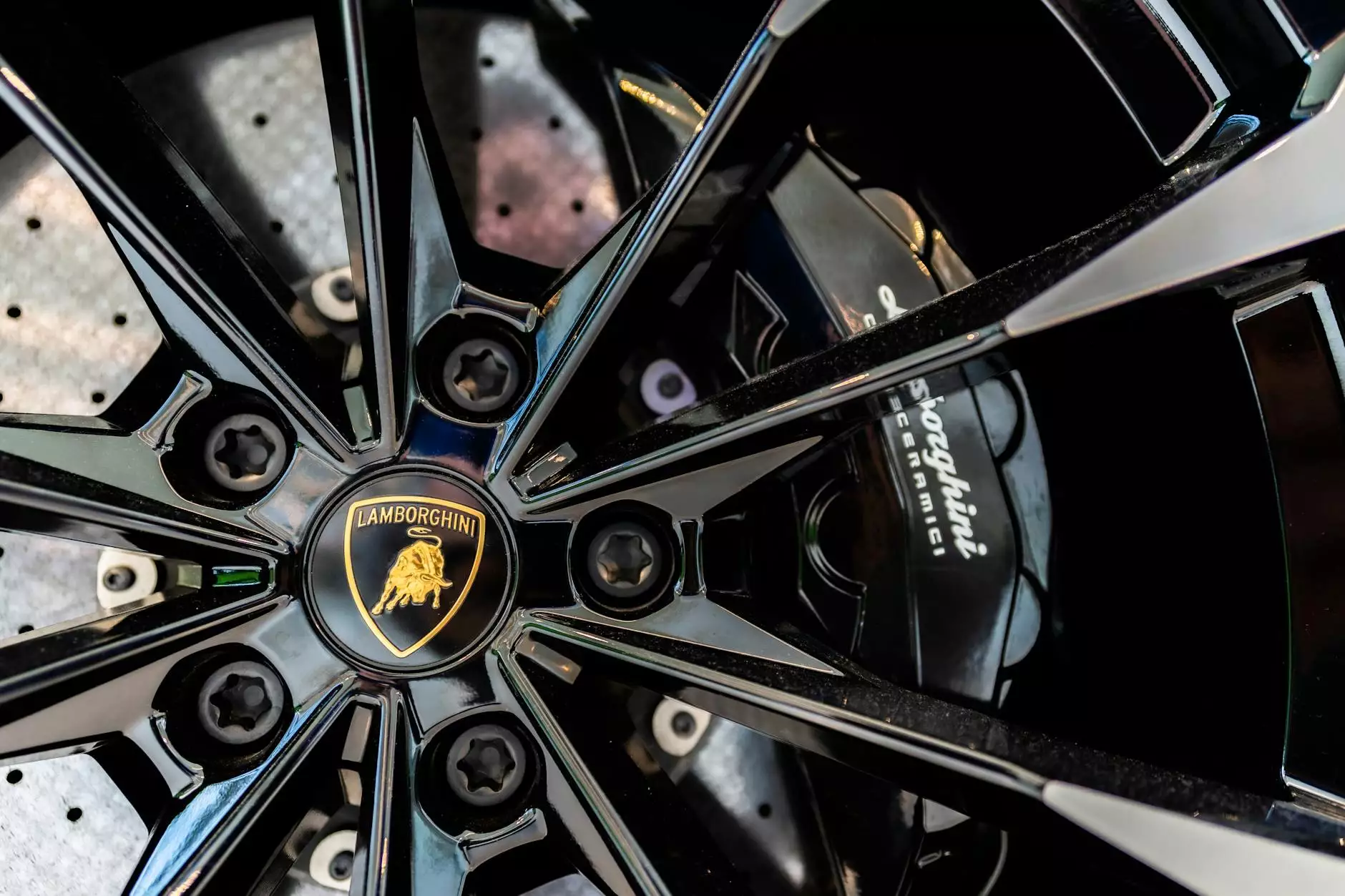
The brake caliper houses the brake pads and pistons. When the brake pedal is pressed, fluid pressure forces the pistons to push the pads against the rotors. Brakes can be either fixed or floating types, affecting how they engage with the rotor. Proper maintenance of calipers is crucial to prevent brake fluid leaks and uneven braking.
2.4 Brake Lines and Hoses
Brake lines and hoses are responsible for transferring brake fluid from the master cylinder to the calipers. These lines should be checked for wear, cracks, or leaks, as any failure in this system can lead to a complete brake failure, posing a significant safety risk.
2.5 Brake Fluid
Brake fluid is essential for the hydraulic system of the brakes. It transmits force from the brake pedal to the calipers. The type of brake fluid used is crucial; it must resist high temperatures and moisture absorption to function effectively. DOT 3, DOT 4, and DOT 5 are common types of brake fluid, and it's important to follow the manufacturer’s guidelines for the correct type.
2.6 Master Cylinder
The master cylinder is the component that converts the force applied to the brake pedal into hydraulic pressure. This pressure then travels through the brake lines to engage the calipers. A malfunctioning master cylinder can lead to a soft brake pedal or complete brake failure.
2.7 ABS (Anti-lock Braking System)
Many modern vehicles come equipped with an Anti-lock Braking System (ABS). This system helps to prevent the wheels from locking up during braking, allowing the driver to maintain steering control. ABS consists of sensors, valves, and an electronic control unit that work together to modulate brake pressure during hard braking situations.
3. Maintenance of the Braking System
Keeping the braking system in check is vital for ensuring safety on the road. Regular maintenance allows vehicle owners to catch potential issues before they develop into serious problems. Below are some essential maintenance tips:
3.1 Routine Inspection
Performing routine inspections on your vehicle's braking system is crucial. Check brake pads, rotors, calipers, hoses, and lines for any signs of wear or damage. Early detection of problems can save time and money in the long run.
3.2 Brake Fluid Replacement
Flush and replace brake fluid periodically as per the manufacturer's guidelines. Old brake fluid can absorb moisture, leading to decreased braking efficiency and potential corrosion of metal components.
3.3 Listen for Unusual Noises
Pay attention to any unusual sounds when braking. A squeaking or grinding noise may indicate worn brake pads or other issues. Addressing these sounds promptly can prevent further damage to your braking system.
3.4 Monitor Brake Performance
Be aware of any changes in brake performance, such as a soft pedal, pulling to one side while braking, or an increase in stopping distance. These can be indicators of problems within the braking system that require immediate attention.
4. The Impact of Quality Auto Parts
Using high-quality auto parts is essential for maintaining an effective braking system. For instance, using OEM (Original Equipment Manufacturer) parts ensures compatibility and reliability. On the other hand, substandard parts can compromise safety and lead to costly repairs.
4.1 Benefits of Quality Brake Pads
Investing in quality brake pads can enhance braking performance, lifespan, and comfort. High-quality pads are designed to provide optimal friction and reduce noise and dust production. They also help achieve better pedal feel and responsiveness.
4.2 Importance of Resurfacing Rotors
Rather than simply replacing brake rotors when they are worn, consider having them resurfaced. Resurfacing can save money and improve braking efficiency. However, it’s crucial to ensure that the rotor thickness is within safe limits to avoid overheating and breaking.
5. Conclusion: Prioritizing Brake Safety
In summary, understanding the parts of a braking system is fundamental for every vehicle owner. By recognizing their components, their functions, and the importance of maintenance, you can ensure safety on the road for yourself and others. Regular inspections, using high-quality parts, and staying informed about your braking system's health can prevent accidents and enhance your driving experience.
At imautoparts.com, we provide a wide range of auto parts and supplies to make sure your vehicle stays in top shape. Don’t take chances with your safety; ensure your braking system is always operating at its best!