Siding Replacement Contractor: Your Ultimate Guide to Perfect Siding Solutions
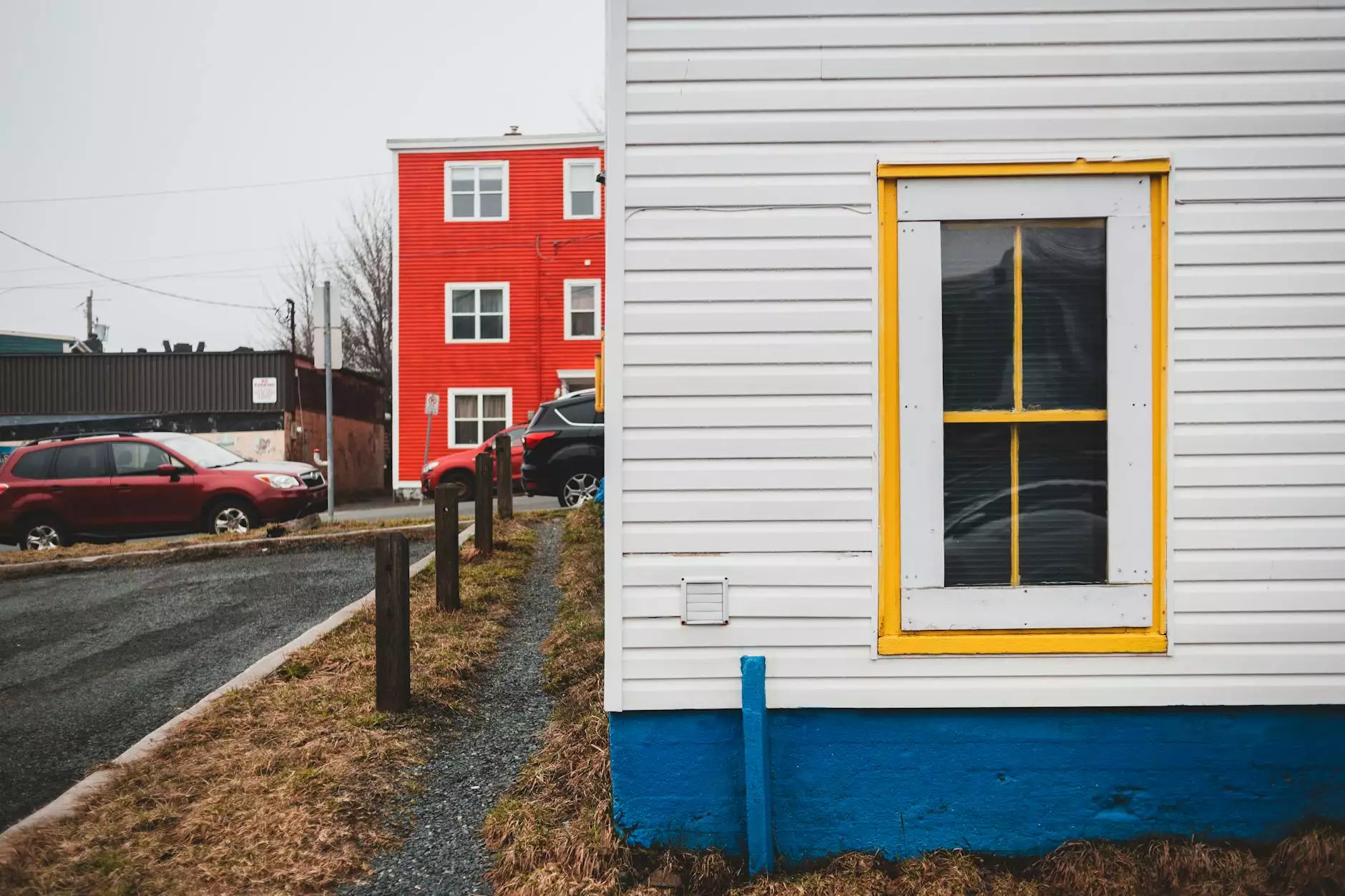
If you’re a homeowner contemplating a home exterior makeover or simply needing maintenance, understanding the role of a siding replacement contractor is paramount. Siding plays an essential role in protecting your home while also enhancing its aesthetic appeal. This comprehensive guide offers insights into the importance of siding, choosing the right materials, and how a professional contractor can make a significant difference in your home’s appearance and functionality.
Understanding Siding: An Overview
Siding is a protective material installed on the exterior of a home. Its main functions include:
- Protection: Siding shields your home from elements such as rain, snow, wind, and UV rays.
- Insulation: Good siding can contribute to your home's energy efficiency, preventing heat loss in winter and keeping it cool in summer.
- Aesthetic Appeal: Siding significantly impacts your home’s curb appeal, elevating its overall appearance.
Why Consider Siding Replacement?
Over time, even the most durable siding can wear down, necessitating replacement. Here are several reasons to consider hiring a siding replacement contractor:
- Age: Most siding materials have a lifespan. For example, wood siding may last from 20 to 40 years, while vinyl can last over 50 years if properly maintained.
- Damage: Weathering and storms can cause significant damage, leading to potential leaks and further issues if not addressed promptly.
- Energy Efficiency: Old or damaged siding can lead to higher energy bills as your HVAC system works harder to maintain the desired temperature.
- Boosting Property Value: New siding can enhance the value of your home, making it a smart investment for those considering selling.
Choosing the Right Siding Material
There are many materials available for siding, each with unique advantages:
1. Vinyl Siding
Vinyl siding is popular due to its affordability and low maintenance requirements:
- Available in various styles and colors
- Resistant to rot and pests
- Easy to clean
2. Wood Siding
Wood siding offers a classic aesthetic, but requires more upkeep:
- Natural look and feel, enhancing curb appeal
- Can be painted or stained to match your preference
- Requires regular maintenance to prevent rot and pest issues
3. Fiber Cement Siding
This material combines durability with low maintenance:
- Resistant to fire, insects, and rot
- Available in various textures to mimic wood or masonry
- Can last up to 50 years with proper maintenance
4. Aluminum Siding
Aluminum siding is valued for its lightweight and rust-resistant properties:
- Can be painted in any color
- Reflects heat, offering energy efficiency
- Long-lasting and easy to maintain
How to Select the Best Siding Replacement Contractor
Your choice of contractor is as crucial as the material you select. Follow these guidelines to find a reputable siding replacement contractor:
1. Verify Credentials
Ensure any contractor you consider is licensed, insured, and bonded. This protects you in case of accidents or damages during installation.
2. Check Reviews and References
Online reviews provide insight into a contractor's reputation. Ask for references from previous clients to gauge their satisfaction with the contractor’s work.
3. Get Multiple Estimates
Obtain quotes from several contractors. This helps you understand the average cost and ensure you're getting a fair deal.
4. Experience Matters
Choose a contractor with extensive experience in siding replacement. Experienced contractors will typically have a history of delivering quality work.
The Siding Replacement Process
Understanding the process can help you prepare for your siding replacement project:
1. Initial Consultation
The process begins with a consultation, where the contractor evaluates your home’s current siding and discusses your needs, preferences, and budget.
2. Material Selection
Based on your discussion, the contractor will assist you in selecting the appropriate siding material.
3. Preparation
The existing siding is removed, and any necessary repairs to the underlying structure are made. This step is crucial to ensure the longevity of your new siding.
4. Installation
Once everything is prepped, the new siding installation begins. This process includes ensuring proper insulation and sealing to prevent leaks.
5. Cleanup and Final Inspection
After installation, the contractor will clean the site and conduct a final inspection to ensure everything meets quality standards.
Maintaining Your Siding
Post-installation, regular maintenance will ensure your siding stays in top condition:
- Regular Cleaning: Clean your siding periodically with a pressure washer for vinyl or fiber cement, and use a soft cloth for wood.
- Inspect for Damage: Check for cracks, chips, or rot at least once a year.
- Establish a Painting Schedule: For wood and aluminum, repaint regularly to protect against weather damage.
Conclusion: Invest in Your Home's Future
Hiring a qualified siding replacement contractor not only improves your home’s curb appeal but also contributes to its insulation, protection, and overall value. By following the tips outlined in this guide—ranging from selecting the right materials, hiring the best contractors, understanding the replacement process, to maintaining your home—you can ensure a successful siding replacement project. Remember, your home is your sanctuary, and investing in quality siding is an investment in your home’s future.
Contact Gutter Service USA
If you’re ready to explore your options for siding replacement, don’t hesitate to contact Gutter Service USA. Our team of experienced contractors specializes in roofing and gutter services, and we’re here to help you beautify your home with exceptional siding solutions. Visit our website at gutterserviceusa.com to request a consultation today!