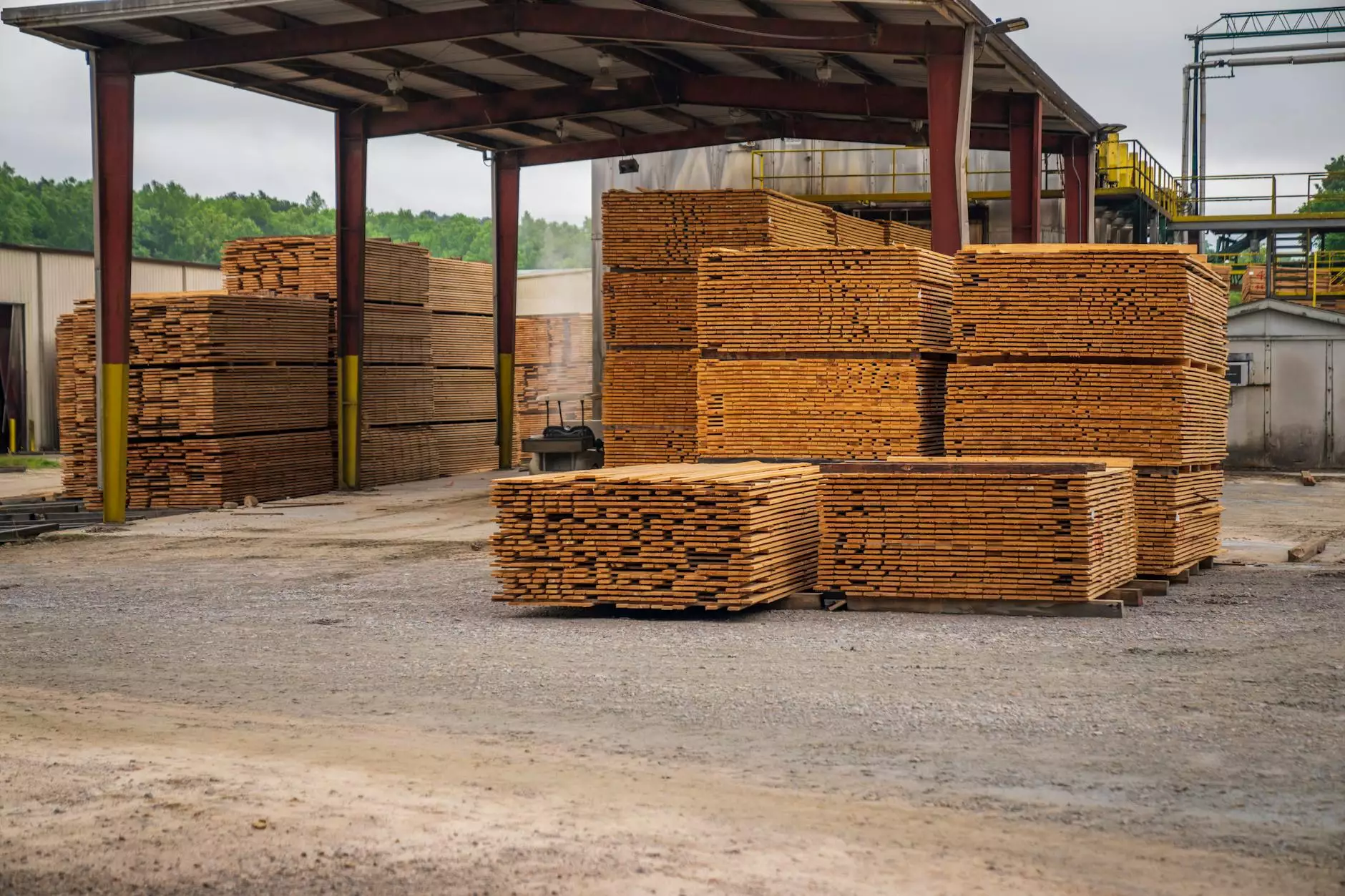
Buy Timber in Bulk: A Comprehensive Guide for Businesses

Introduction to Timber Procurement
In the construction industry, the procurement of materials is a critical factor that influences project success. Among the various materials available, timber stands out for its versatility, durability, and aesthetic appeal. For businesses looking to optimize their timber supply, purchasing in bulk offers numerous advantages. In this article, we will explore the many benefits of buying timber in bulk, specifically through reputable timber merchants and wood suppliers like Wood Traders.
Understanding Bulk Timber Purchasing
Bulk timber purchasing refers to acquiring large quantities of wood products, which can include everything from framing lumber to finished millwork. This type of procurement strategy is often employed by architects, builders, and contractors who require consistent supplies of timber for ongoing projects.
The Advantages of Buying Timber in Bulk
Choosing to buy timber in bulk presents multiple advantages that can significantly benefit your business operations. Some of the key benefits include:
- Cost-Effectiveness: Purchasing timber in larger quantities typically results in lower per-unit costs. Bulk discounts are standard across the industry, allowing your business to save money.
- Stability of Supply: Bulk buying ensures that you have a consistent supply of timber available when needed, reducing the risk of project delays due to material shortages.
- More Variety: Many timber suppliers offer a wider selection of products when purchases are made in bulk, providing more options to meet specific project requirements.
- Reduced Transportation Costs: Ordering in bulk often reduces frequency of delivery which can lead to significant savings on transportation costs.
- Quality Assurance: Establishing a relationship with a reputable supplier ensures you receive high-quality materials, crucial for maintaining the standards of your projects.
Choosing the Right Timber Merchant and Wood Supplier
When considering where to buy timber in bulk, it's essential to select the right timber merchant or wood supplier. Here are some criteria to evaluate:
Reputation and Reliability
Look for suppliers with a solid reputation in the industry. Customer reviews and testimonials can provide insight into their reliability and service quality. Websites like Wood Traders often feature customer feedback which can guide your decision.
Product Range and Quality
A good timber merchant should offer a wide range of products, including different types of timber such as softwoods, hardwoods, and engineered wood. Ensure that the materials comply with industry standards and sustainability practices.
Pricing and Payment Terms
Compare pricing among various suppliers to ensure you are getting competitive rates. Additionally, inquire about payment terms, as flexible options can also aid cash flow management for your business.
Customer Service and Support
Exceptional customer service can make a significant difference in your purchasing experience. Choose a supplier that provides excellent support, including assistance with product selection, delivery, and after-sales service.
Types of Timber Available for Bulk Purchase
Timber comes in various forms, each suitable for different applications. Understanding the types of timber available can help you make informed purchasing decisions:
Softwood Timber
Softwood is primarily derived from coniferous trees. It is typically more affordable and is used for structural applications like framing and flooring. Popular types include:
- Pine: Versatile, economically priced, and easy to work with.
- Fir: Known for its strength, stability, and lightweight nature.
- Spruce: Offers fine grain and is often used in construction and manufacturing.
Hardwood Timber
Hardwood comes from deciduous trees and is denser and stronger than softwood. It is ideal for furniture, cabinetry, and flooring. Some common hardwoods include:
- Oak: Renowned for its durability and aesthetic appeal.
- Maple: Popular for its fine grain and strength, often used in cabinetry.
- Cherry: Valued for its rich color and smooth texture, commonly used in high-end furniture.
Engineered Wood Products
Engineered wood products are manufactured by binding or fixing strands, particles, or veneers of wood together. These include:
- Plywood: Made from multiple layers of veneer, offering excellent stability.
- OSB (Oriented Strand Board): A cost-effective alternative to plywood, ideal for sheathing and flooring.
- LVL (Laminated Veneer Lumber): Used for beams and headers where strength is required.
Long-Term Benefits of Bulk Timber Purchasing
Investing in bulk timber purchasing offers long-term benefits that extend beyond immediate cost savings:
Building Strong Relationships
Regularly buying from a specific timber merchant fosters a longstanding relationship, leading to better prices, priority service, and trust over time. This partnership can be critical for your reputation and efficiency in managing supplies.
Enhancing Project Efficiency
With a steady supply of timber, your business can operate more efficiently. Timely access to materials facilitates smooth workflow, often resulting in faster project completion and increased customer satisfaction.
Environmentally Sustainable Practices
Buying timber in bulk from suppliers committed to sustainable forestry practices contributes to environmental conservation. By sourcing timber responsibly, your business can promote sustainability and eco-friendliness, which is increasingly important in today’s marketplace.
Conclusion
In conclusion, the decision to buy timber in bulk is a strategic move for businesses in the construction and woodworking industries. By partnering with a reputable timber merchant like Wood Traders, you can leverage the numerous advantages of bulk purchasing, including cost-effectiveness, supply stability, and enhanced project efficiency. By considering the types of timber available and evaluating potential suppliers carefully, you can ensure that your business benefits maximally from its timber purchases while also contributing to sustainable practices within the industry.