The Essential Role of the Neutral Switch in Automatic Transmission
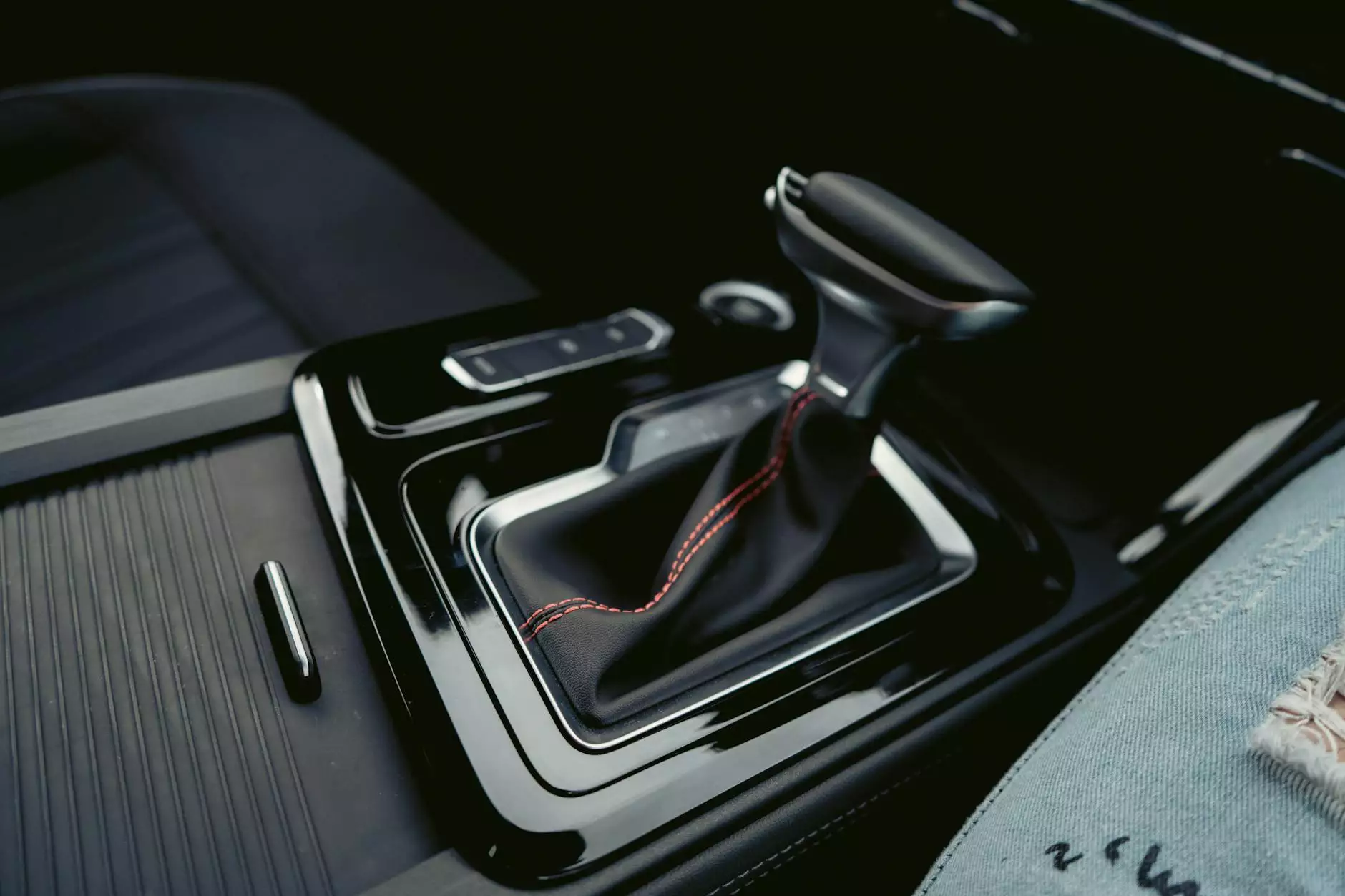
In the automotive world, automatic transmission systems play a crucial role in the overall performance and drivability of vehicles. One of the key components of these systems is the neutral switch, an essential part that contributes significantly to the safety and functionality of automatic transmissions. In this article, we will explore the significance of the neutral switch automatic transmission, how it operates, and the implications it holds for vehicle owners. With a deep dive into this component, we aim to provide you with comprehensive knowledge that will enhance your understanding of automotive mechanisms.
What is an Automatic Transmission?
Before delving into the neutral switch, it is important to understand what an automatic transmission is. Unlike manual transmissions that require a driver to shift gears manually, automatic transmissions shift gears on their own based on speed and load. This allows for a more convenient driving experience.
Understanding the Neutral Switch
The neutral switch is a small but vital component located within the automatic transmission system. Its primary role is to indicate when the transmission is in neutral gear. When engaged, this switch allows crucial functions such as ignition and starter engagement. An effective neutral switch ensures that the vehicle starts only when it’s safe to do so.
Functionality of the Neutral Switch
When the driver moves the gear lever to the neutral position, the neutral switch is activated. This action sends a signal to the vehicle's electric systems. Here are the key functionalities:
- Electrical Signal Transmission: The neutral switch sends signals to the starter and engine control module, enabling or disabling engine start based on the gear position.
- Safety Mechanism: It acts as a safety feature, preventing the vehicle from starting in gear, which could lead to unintended acceleration.
- Reverse Light Activation: In addition to facilitating engine ignition, the neutral switch is also responsible for activating reverse lights when the vehicle is placed in reverse gear.
Components of a Neutral Switch
Understanding the key components of a neutral switch can provide further insight into how it functions:
- Electrical Contacts: These are engaged or disengaged based on the gear position, creating or breaking the electrical circuit.
- Housing: The outer casing that protects the internal components and is typically made of durable materials to withstand harsh automotive environments.
- Connector Pins: These pins connect the neutral switch to the vehicle’s wiring harness, ensuring proper communication with other systems.
Importance of Neutral Switch in Automatic Transmission
The neutral switch automatic transmission is not merely an accessory; it substantially impacts the vehicle's performance and safety. Here are several reasons why it is crucial:
- Prevention of Accidental Movement: By ensuring the vehicle only starts when in the neutral position, it drastically reduces the risk of unintended movement.
- Compliance with Safety Standards: Many automotive safety regulations require neutral switches as part of the vehicle's safety features.
- Vehicle Diagnostics: Modern vehicles use diagnostic systems that rely on the neutral switch for accurate readings and assessments of transmission function.
Signs of a Faulty Neutral Switch
Recognizing issues with the neutral switch is essential for vehicle maintenance. Below are common signs indicating a faulty neutral switch:
- Engine Won't Start: If the engine does not crank when the gear lever is in the neutral position, the neutral switch may be malfunctioning.
- Starting in Gear: If the vehicle starts while in gear, it poses a significant safety risk and typically indicates a faulty neutral switch.
- Inconsistent Gear Engagement: Difficulty in shifting gears or gears not engaging properly could also point towards issues with the neutral switch.
Replacing a Faulty Neutral Switch
If you suspect your neutral switch is faulty, timely action is essential to prevent further issues. Here’s a step-by-step guide to replacing a neutral switch:
- Raise the Vehicle: Use a jack to lift the vehicle safely, ensuring you are working on a flat, stable surface.
- Locate the Neutral Switch: Consult the vehicle's owner manual to find the exact location of the neutral switch within the transmission.
- Disconnect Battery: Always disconnect the negative terminal of the battery to prevent electric shock or short circuits.
- Remove the Old Switch: Unscrew and disconnect any connectors to carefully remove the damaged switch.
- Install the New Switch: Replace it with a new switch, ensuring all connections are secure and proper.
- Reconnect Battery and Test: After reassembling, reconnect the battery and test the functionality to ensure everything operates smoothly.
Choosing the Right Neutral Switch for Your Automatic Transmission
When it comes to replacing a neutral switch automatic transmission, it’s crucial to select the right part. Here are some tips:
- Consult Your Manual: Always refer to your vehicle's service manual for specifications on parts and compatibility.
- OEM vs. Aftermarket: Decide whether to go with Original Equipment Manufacturer (OEM) parts for guaranteed quality or aftermarket parts that may offer cost savings.
- Check Reviews: Look for products with positive user reviews or ratings to ensure reliability and performance.
Conclusion
The neutral switch automatic transmission is a fundamental component that enhances both the safety and functionality of modern vehicles. Understanding its role and recognizing signs of failure can save vehicle owners from potential hazards and costly repairs. For reliable auto parts and supplies, make sure to visit shenghaiautoparts.com, your trusted source for all automotive needs.
Further Reading and Resources
For those looking to broaden their knowledge of automatic transmissions and their components, consider exploring the following resources:
- Automatic Transmissions Explained - Autotrader
- What is a Neutral Switch? - Edmunds
- Neutral Switch Replacement Guide - Cars.com