The Essential Role of Oncology Specialists in Modern Healthcare
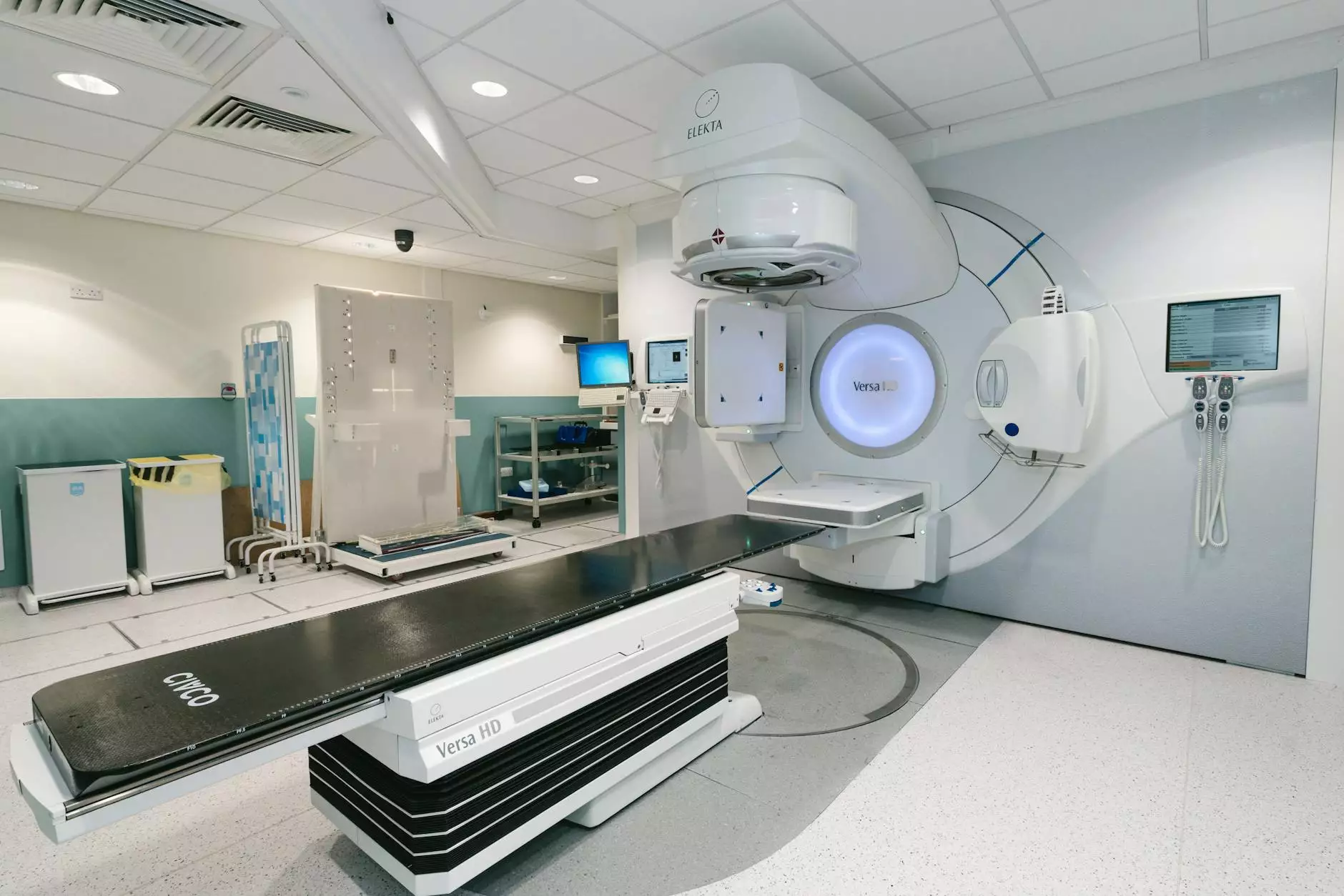
Understanding Oncology
Oncology is the branch of medicine that deals with the prevention, diagnosis, and treatment of cancer. In recent years, the importance of oncology specialists has surged as cancer rates increase globally. These experts are trained to navigate the complexities of cancer treatment and ensure patients receive the best possible care.
What is an Oncology Specialist?
An oncology specialist is a physician who is dedicated to managing cancer patients. They play numerous roles, including:
- Diagnosis: Determining the presence of cancer through various diagnostic tests.
- Treatment Planning: Designing a tailored treatment regimen based on the type of cancer, stage, and patient health.
- Patient Education: Explaining the nature of the disease and the proposed treatments.
- Supportive Care: Providing symptom management and psychological support to both patients and their families.
The Importance of Specialty Training
Oncology specialists are required to complete extensive training that includes:
- Medical school (4 years)
- Residency in internal medicine (3 years)
- Fellowship in oncology (2 to 3 years)
This rigorous education allows them to understand the complex biological behavior of tumors and to stay updated on the latest research and treatment modalities.
Types of Oncology Specialists
Oncology is made up of various subspecialties that focus on different aspects of cancer care. These include:
- Medical Oncologists: Specialists who utilize chemotherapy, hormonal therapy, and immunotherapy to treat cancer.
- Surgical Oncologists: Surgeons who remove tumors and surrounding tissue during operations.
- Radiation Oncologists: Doctors who use radiation therapy to treat cancer.
Each type of oncology specialist works collaboratively to provide comprehensive care tailored to individual patient needs.
The Role of Oncology Specialists in Cancer Treatment
The role of an oncology specialist in treating cancer can't be overstated. Their responsibilities include:
- Creating a Personalized Treatment Plan: Based on patient health, cancer type, and treatment goals.
- Coordinating Care: Working with other healthcare professionals to ensure integrated treatment approaches.
- Monitoring Progress: Regularly assessing treatment efficacy and making necessary adjustments.
- Clinical Trials: Offering access to cutting-edge therapies through participation in clinical trials that can benefit patients with limited options.
Advancements in Oncology
The field of oncology is rapidly evolving, with various advancements that enhance patient outcomes:
- Targeted Therapy: Drugs designed to specifically attack cancer cells while sparing normal cells.
- Immunotherapy: Treatments that harness the body's own immune system to fight cancer.
- Precision Medicine: Tailored treatments based on the genetic makeup of the individual and their tumors.
These innovations are often spearheaded by oncology specialists who ensure that their patients receive the most effective treatments available.
Patient-Centered Care in Oncology
One of the key philosophies of modern oncology is patient-centered care. This approach emphasizes:
- Holistic Treatment: Addressing not only the physical aspects of cancer but also the emotional and psychological needs of patients.
- Shared Decision-Making: Involving patients in decisions about their treatment options.
- Support Systems: Providing access to support groups, counseling, and educational resources.
This model empowers patients, enhances their quality of life, and encourages adherence to treatment plans.
The Future of Oncology
With ongoing research and technological advancements, the future of oncology looks promising. Predictions for the coming years include:
- Gene Therapy: Potential cures for genetically driven cancers.
- Artificial Intelligence: Enhanced diagnostic accuracy and treatment recommendations through AI-driven algorithms.
- Telemedicine: Expanded access to oncology services, particularly in underserved regions.
As the field continues to grow, oncology specialists will remain at the forefront, adapting their practices to incorporate these advancements for improved patient care.
Conclusion
In conclusion, the role of oncology specialists is vital in the battle against cancer. Their expertise, training, and dedication directly impact patient outcomes and quality of life. As we look to the future, the ongoing advancements in oncology will provide new hope and improved treatment options for patients worldwide.
For more information about what oncology specialists do and how they can help, visit oncologicalsurgery.net.