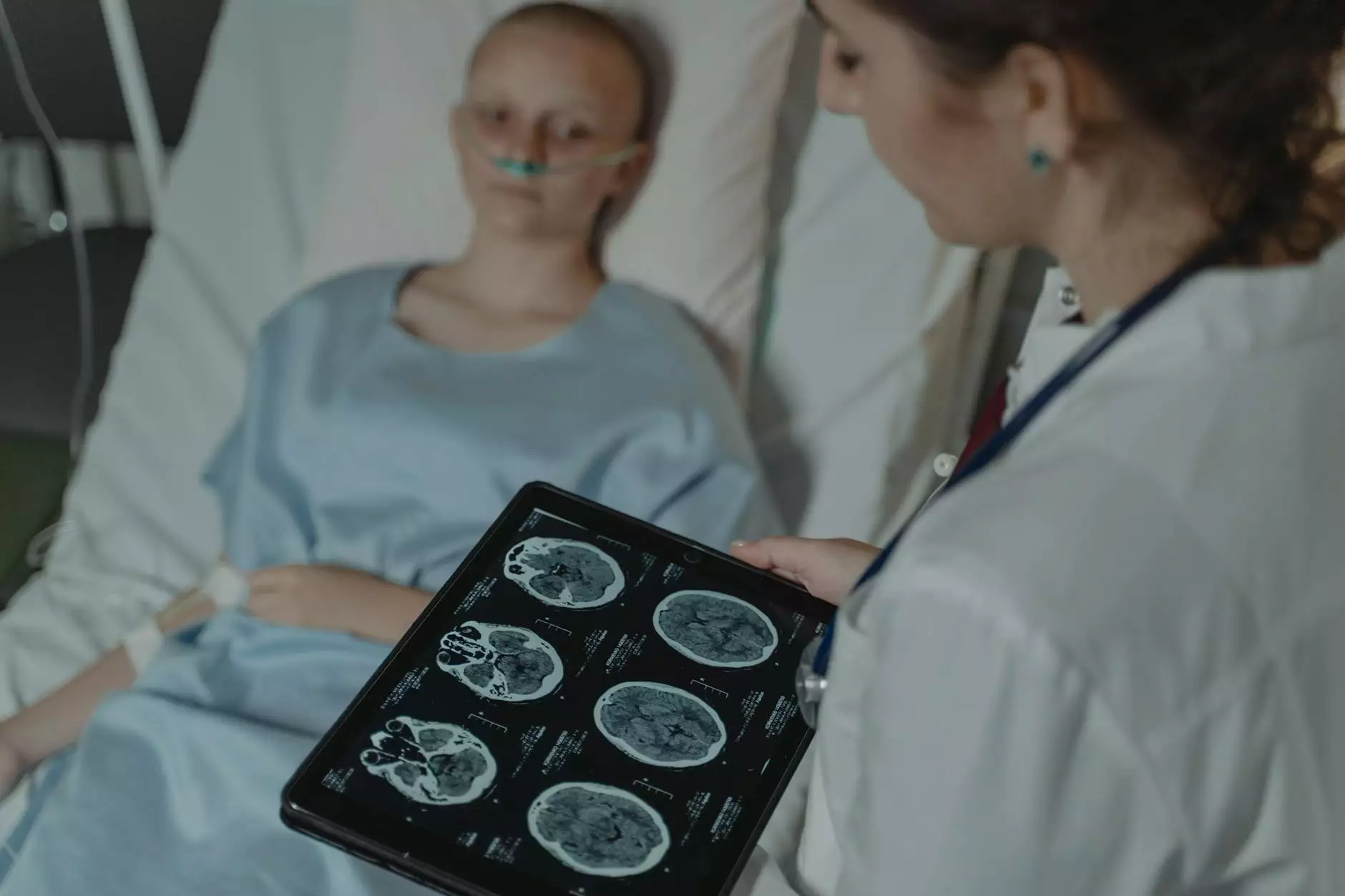
The Importance of Instrument Disinfectant in Medical Settings
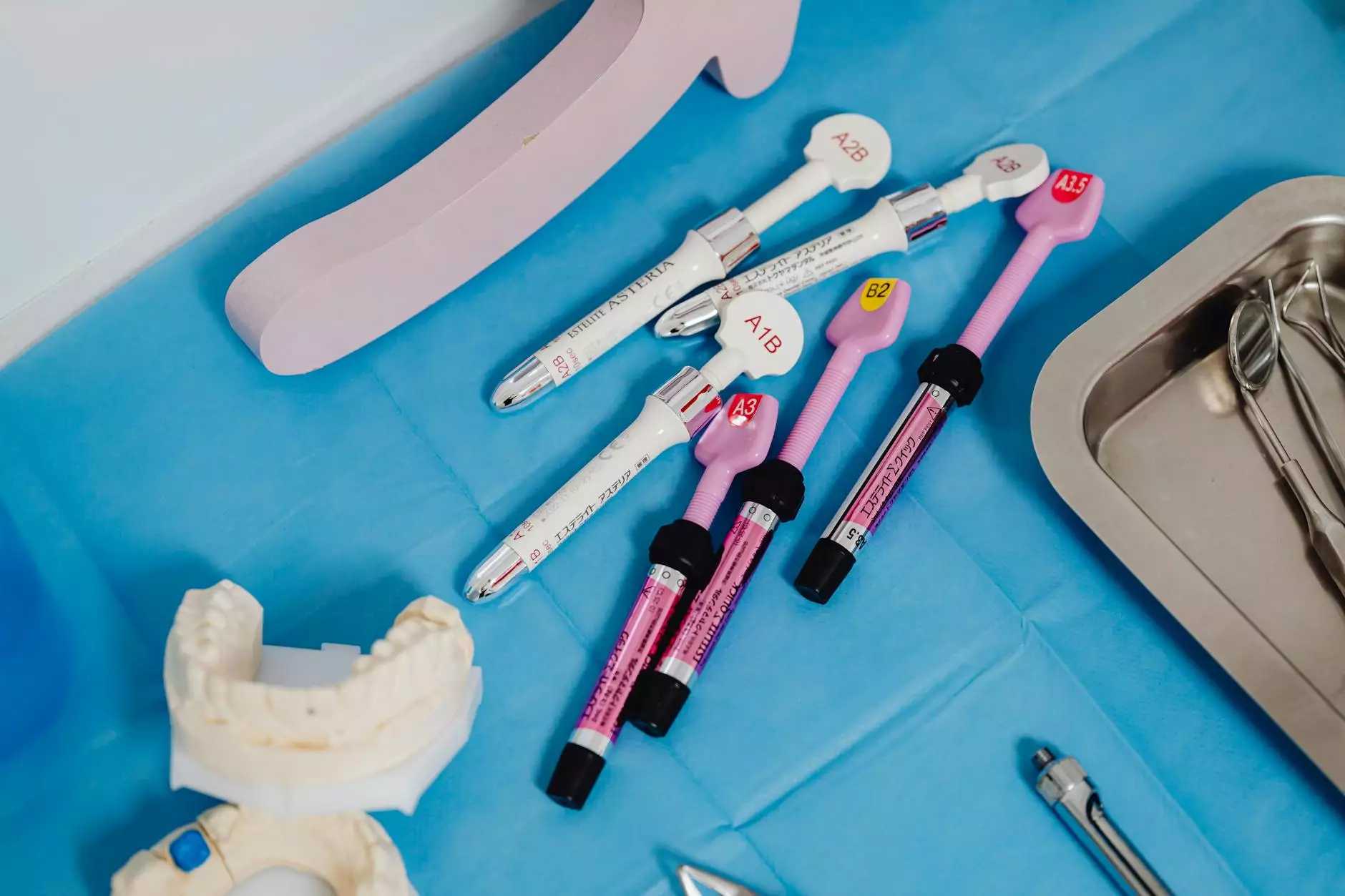
The healthcare industry is one of the most critical sectors in our society, responsible for the wellbeing and safety of patients. A vital component of medical procedures involves the use of various instruments and devices, which must be impeccably clean and sterile to prevent any risk of infection. This is where the role of instrument disinfectant becomes paramount. In this comprehensive article, we will explore the significance of instrument disinfectant, its applications, benefits, and best practices for ensuring the highest standards of cleanliness in medical environments.
What is Instrument Disinfectant?
Instrument disinfectant refers to substances specifically designed to eliminate or reduce harmful microorganisms, including bacteria, viruses, and fungi, from medical instruments and surfaces. These disinfectants are crucial in various healthcare settings, including hospitals, clinics, dental offices, and laboratories. By effectively eliminating pathogens, instrument disinfectants help mitigate the risk of healthcare-associated infections (HAIs), thus ensuring patient safety and promoting public health.
The Importance of Disinfection in Healthcare
In a medical setting, the cleanliness of instruments cannot be overstated. Patients are frequently exposed to invasive procedures that necessitate precise and safe handling. Infection control is a top priority in healthcare, and the following points outline why disinfecting instruments is essential:
- Prevention of Infections: Contaminated instruments can be a direct source of infections. Disinfecting instruments minimizes this risk.
- Patient Safety: Ensuring instruments are sterilized protects patients, especially those with weakened immune systems.
- Compliance with Regulations: Healthcare facilities must adhere to strict regulations and guidelines regarding the sterilization and disinfection of medical devices.
- Enhanced Reputation: A commitment to hygiene and safety improves a medical facility's reputation, attracting more patients and fostering trust.
Types of Instruments that Require Disinfection
Not all medical instruments are the same; hence, the disinfection process may vary based on the type of instrument being utilized. Common categories include:
- Critical Instruments: These instruments enter sterile tissue or the vascular system, such as surgical scalpels and needles. They must be sterilized through autoclaving or similar methods.
- Semicritical Instruments: These come into contact with mucous membranes or non-intact skin, such as endoscopes and respiratory therapy equipment. High-level disinfectants are typically used.
- Non-critical Instruments: Instruments that contact only intact skin, like blood pressure cuffs and stethoscopes, require low-level disinfection.
Benefits of Using Instrument Disinfectants
The application of instrument disinfectant brings forth numerous benefits, which are essential to maintaining high standards in healthcare practices:
- Effective Microbial Control: High-quality disinfectants are effective against bacteria, viruses, and fungi, ensuring that all harmful agents are neutralized.
- Time Efficiency: Many instrument disinfectants have rapid action times, allowing for quick turnaround in busy medical facilities.
- Cost-effective: Investing in effective disinfectants can reduce the overall healthcare costs by preventing HAIs and associated complications.
- Wide Range of Applications: Disinfectants can be used on various surfaces and materials, making them versatile tools in disinfection protocols.
Choosing the Right Instrument Disinfectant
Selecting an appropriate instrument disinfectant is crucial for effective cleaning. Here are several factors to consider:
- Efficacy: Ensure the disinfectant is effective against a wide range of pathogens.
- Material Compatibility: Some disinfectants can damage specific materials, so it's vital to select one compatible with your instruments.
- Safety: Occupational safety is paramount. Choose products that are non-toxic and safe for staff and patients.
- Compliance: Make sure the disinfectant meets local, state, and federal health regulations.
Best Practices for Instrument Disinfection
To maximize the effectiveness of instrument disinfectant and ensure safe healthcare practices, it is important to follow best practices:
1. Pre-cleaning Instruments
Before applying disinfectants, it is crucial to pre-clean instruments to remove organic materials. This can be achieved through:
- Rinsing instruments with water immediately after use.
- Using enzymatic cleaners to aid in the breakdown of organic debris.
2. Proper Application of Disinfectants
Follow the manufacturer’s instructions for the dilution, application, and contact time required for effective disinfection. This ensures that:
- The disinfectant works effectively against the targeted pathogens.
- The instruments are safe for subsequent patient use.
3. Regular Monitoring and Validation
Regularly verify the efficacy of your disinfectant procedures through:
- Routine checks to ensure proper disinfection protocols are being followed.
- Using biological indicators and chemical indicators to validate sterilization and disinfection.
Instrument Disinfectants on the Market
There are numerous instrument disinfectants available that cater to different needs and requirements. Some popular categories and examples include:
1. Alcohol-based Disinfectants
These are commonly used for fast disinfection due to their rapid action against a range of pathogens. Examples include:
- Isopropyl alcohol
- Ethyl alcohol
2. Chlorine-based Disinfectants
Chlorine compounds are effective against bacteria and viruses. They are commonly used in surface disinfection.
3. Quaternary Ammonium Compounds
These compounds are popular due to their low toxicity and effectiveness against a broad spectrum of pathogens. They are often used for surface disinfection in hospitals.
Conclusion
In conclusion, the role of instrument disinfectant in healthcare cannot be underestimated. It is essential for protecting patients and healthcare workers from infections, ensuring compliance with health regulations, and enhancing the reputation of healthcare facilities. By understanding the importance of disinfection, choosing appropriate products, and adhering to best practices, we can greatly minimize the risk of HAIs and contribute to a safer healthcare environment. As we continue to navigate challenges in the medical field, committing to rigorous disinfection standards is more vital than ever.
Call to Action
If you are looking for high-quality instrument disinfectant options tailored for your healthcare facility, visit medalkan.com for a comprehensive selection of medical supplies that guarantee safety and efficacy.